
I’ve logged more hours at Live Blackjack top registration Great Britain tables than I like to admit, and one thing is obvious: the sounds aren’t just background ambience. They influence decisions, amplify the tension, and give you instant feedback that no visual interface can copy. If you’re a UK player chasing immersion, getting to grips with the audio design turns a basic card game into a proper casino-floor feel, right from your settee.
How Sound Design Is Important in Live Blackjack
Sound design in live blackjack isn’t some add-on. It’s the link that ties you to the dealer and the studio. The crisp snap of a card being dealt hits in my brain as a real physical occurrence, not a digital simulation. That auditory realism shrinks the gap between my living room and a pro casino floor, making each hand feel instant and trustworthy.
The audio has a practical side too. Clear dealer announcements let you track the action without keeping your eyes to the screen, and chip sounds confirm your bet went through. I’ve had sessions where a muddy mix caused me to miss timing prompts, and that led to hasty, sloppy calls. So good sound design isn’t just nice to have—it helps you play precisely and sensibly.
From a technical standpoint, live blackjack audio blends captured studio sound with precisely triggered digital effects. Top providers like Evolution and Pragmatic Play Live set up multiple mics to capture the room’s atmosphere, the dealer’s voice, and the physical clatter of cards and chips. That layered mix is what gives the whole thing a three-dimensional quality.
Additional Wagers and Their Unique Sound
Additional wagers like Perfect Pairs and 21+3 are as close as live blackjack gets to special features. No free spins or wild symbols, but they add extra winning chances with their own paytables. I’ve noticed each side bet has a characteristic audio cue that lets me track results without staring at the screen.
When a Perfect Pairs combo hits, a distinct chime series plays, often a two-note ascending tone. For 21+3, which turns your first two cards and the dealer’s upcard into a poker hand, the win sound is a more complex melody. These characteristic audio hints make the side bets feel like a mini-game running alongside the main hand.
I suggest getting to know these sounds during low-stakes play. Once I could pick out the 21+3 jingle, I knew instantly if my side bet had landed, so I could focus on my main hand without distraction. It’s a little touch that streamlines the game flow.
How to Play Live Blackjack with Audio Hints
Engaging in live blackjack is easy, but using the audio well can sharpen your game. The session begins with the dealer calling for bets, and I pay attention to the betting window sound, often a soft rhythmic pulse, to know precisely how long I’ve got to set my chips on the virtual felt.
Once betting ends, the dealer deals two cards face up to each player and one face up to themself. I notice the unique sequence of card slides, and if I’m in a hand that requires a decision, the dealer’s voice prompts me with “your action” or something similar. That audio cue means I never miss my turn.
My goal is to beat the dealer’s hand without going over 21. I can take a card, stand, double down, or split pairs based on the cards I pick up and the dealer’s upcard. The sound of an extra card sliding onto my hand signals the hit went through. When I stand, the dealer’s “player stands” provides me with audio closure on that hand.
If the dealer busts, a particular bust sound plays, a short, low thud, followed by the win jingle for everyone still in. I’ve grown accustomed to expect that sound when the dealer shows a 5 or 6 and pulls a ten. The audio sequence turns into a language I understand without thinking.
At the end of each round, the dealer gathers the cards with a quiet sound, and the cycle begins anew. The whole gameplay loop depends on audio, from the opening bet call to the final chip settlement. For UK players who goal.com want to feel fully connected, I’d say give as much attention to what you listen to as what you see.
In what ways Sound Improves Gameplay Decisions
I lean on audio cues to coordinate my moves. The dealer’s “place your bets” opens the window, and a countdown sound or a tempo shift in the music often marks the final seconds. That auditory countdown keeps me from missing a hand, especially if I’m looking at a second screen.
During the deal, the sound of cards landing reveals me how many are in play without a visual count. If I notice an extra card go to the dealer after the first two, my brain instantly begins working through the upcard’s implications. The audio becomes an component of my awareness.
For https://www150.statcan.gc.ca/n1/pub/75-001-x/10604/4212000-eng.pdf side bets, a separate, distinct chime often fires when a qualifying combo lands. I’ve learned to pick out the Perfect Pairs jingle straight away, so I don’t need to scan the paytable after every hand. That instant audio confirmation quickens the flow and eases the mental load.
Return to Player, Risk level, and the Influence of Sound
Live dealer blackjack has no reels or paylines. It’s a traditional card game dealt with regular 52-card decks, commonly six or eight in a shoe. The expected payout (RTP) with optimal basic strategy is approximately 99.5%, which renders it one of the best-paying games UK players can find. Variance is minimal, so gains and losses come regularly but tend to be modest compared to your bet.
Audio design doesn’t change the numbers, but it shapes how I experience variance. A well-timed win jingle can create the impression of more rewarding, even when my bankroll is fluctuating within a tight range. On the reverse, the serene, neutral audio during a run of losses allows me to keep a clear mind and stick to my plan.
I’ve discovered that the tempo of the audio reinforces the game’s minimal variance. The consistent dealing rhythm, the consistent chip sounds, and the predictable dealer announcements build a atmosphere of order. That audio framework enables me to stay focused, which is crucial for executing optimal blackjack over many hands.
The Structure of Live Blackjack Audio
If I break down what I’m hearing, it falls into clear groups. There’s the low, steady hum of the studio, the dealer’s voice, the shuffle of cards, the clink of chips, and the celebratory jingles for wins. All of these are mixed live, and the balance between them is what defines a premium table from a forgettable one.
Usually, the audio stream is stereo, though a few newer studios are playing with spatial audio. I’ve tried tables where a card placed on my side of the felt sounds like it comes from the left speaker, matching the on-screen position. That directional detail isn’t a gimmick; it aids my brain map the virtual space and feel more present.
For UK players, audio quality can shift depending on where the studio is and the provider’s broadcast tech. I always recommend sticking with tables from established game providers because they pour money into broadcast-grade mics and acoustic treatment. You end up with a clean, lag-free sound that won’t wear out your ears over a long session.
Stake Range and Audio Feedback
A common live blackjack table for UK players begins at £0.50 or £1 per hand, and VIP tables can stretch to £5,000 or more. The sound design changes subtly across those stakes. On a £1 minimum table, chip sounds are lighter and snappier; on high-limit tables, each chip placement gets a heavier, more pronounced audio.

When I bump up my bet, the confirmation sound sometimes alters in pitch or length, giving me a clear audio marker that I’m at a higher stake. That stops me from accidentally over-betting and holds my bankroll front of mind. I always watch for that change before the cards come out.
The max win in standard live blackjack is a natural blackjack paying 3:2, though side bets can pay up to 100:1 or more. The audio celebration for a side-bet win is usually more detailed, with layered harmonies and a longer run, which underscores the rarity and thrill of those hits.
Winning and Losing Sound Effects
Securing a win triggers a quick, lively jingle that differs from provider to provider. Evolution’s tables, for example, use a ascending tone that feels celebratory without being pushy. I’ve come to link that sound with a good result, and it lifts my mood during a session.
Losses get a softer treatment. There’s rarely a negative sound; the lack of winning sound, plus the dealer scooping chips, sends a soft but unmistakable signal. I like that restraint, because a harsh “lose” sound would just add to stress. The audio design acknowledges how you’re feeling.
When I land a natural blackjack, the sound design kicks up a notch. A distinct, longer melody plays, and the dealer’s congratulatory tone adds a individual feel. That rich reward makes the 3:2 payout feel like a genuine celebration, keeping the game exciting even after dozens of hands.
In what manner Studio Acoustics Shape Your Experience
Live casino studios are designed from the ground up for sound. Walls get processed to kill echo, and the felt on the tables dampens high frequencies so you don’t get harsh reflections. I once stopped by a studio in Latvia that provides games to UK operators, and the silence between dealer announcements was almost eerie, until I clocked it was deliberate acoustic control.
That controlled silence counts. It lets subtle sounds, like the brush of a card against the shoe, come through clearly. At home, I can pick up the dealer’s soft exhale just before they flip a card, and that human layer is something no RNG game can replicate. This acoustic transparency is a hallmark of high-quality live blackjack tables.
Background noise is controlled, not wiped out. A faint murmur from other tables or the distant click of a roulette wheel builds a believable casino vibe without masking the main table. I find that ambient layer stops the audio from feeling sterile and holds my attention, even during quiet betting windows.
Background Music and Atmosphere
Most tables have a subtle background music loop that plays during betting time. It’s generally a relaxed, lounge-style track that occupies the spaces between dealer announcements. The audio stays low enough to never overpower speech, but it prevents the stream from being silent.
Some platforms let me adjust the music volume independently or silence it altogether. I often lower it during late-night sessions when I want a calmer mood. I’d advise UK players to experiment with the audio mix; it can influence your attention and relaxation.
The ambient audio also masks any sudden technical problems or stray studio sounds that could interrupt. It’s a constant, reassuring presence that indicates me the stream is active and working. When the music drops momentarily during a big deal, I realize something major is about to occur.
Perfecting Your Audio Setup for Live Blackjack
I’ve tried various audio setups, and a solid pair of over-ear headphones makes a big difference. The closed-back design shuts out household noise and lets me catch the faintest studio details. For UK players in busy homes, this can transform the whole experience.
- Use wired headphones to cut Bluetooth latency—that tiny delay between video and audio can affect your game.
- If the game lets you, emphasise the dealer’s voice in the audio mix; I usually drop the background music to about 30%.
- Park yourself in a quiet room so you don’t mask those subtle chip and card sounds that provide key info.
- Test the audio balance on a low-stakes hand before you place bigger bets, so you can fine-tune the volume without pressure.
I’d also examine your device’s sound enhancement settings. Some laptops use dynamic compression that narrows the audio range and makes the dealer sound tinny. Disabling those restores the full, rich sound the studio intended.
Card and Chip Audio Cues
The audible cues are my favourite part. A card gliding from the shoe creates a soft, textured whisper, and settling on the felt makes a soft thud. I can discern the variation between a single card and a separated hand obtaining multiple cards merely from the rhythm of those noises.
Chip noises are just as informative. When I set a bet on the virtual interface, a synchronised chip-stack sound verifies the wager. The pitch and gravity shift with the bet size: a £1 chip makes a gentle clink, while a £100 stack falls with a more substantial, pleasing click. That response is immediate, so I rarely doubt whether my bet went through.
I’ve also noticed that during a double down, the further chip placement sound receives a subtle emphasis, drawing my awareness to the greater stake. That fine nudge holds me aware of my stakes without needing to always check the on-screen balance. It’s a clever piece of user-experience design.
Dealer Voice and Engagement Sounds
The dealer’s voice is the primary audio piece. It establishes the game’s rhythm, declaring “no more bets,” announcing hand totals, and adding a bit of chat. I’ve been at tables where the dealer’s mic was distant, and the indistinct audio made the whole game feel remote and unfriendly.
Pro dealers are trained to project, and the audio chain is optimized for clear audio. When a dealer says “player stands on 18,” I catch a subtle tone that suggests the hand’s strength, and I’ve grown accustomed to read that by instinct. That human nuance is something a synthetic voice will never deliver.
For UK players, numerous tables have British-accented dealers or dealers who adjust their chat for a UK crowd. Little comments about the weather or a quick “bad luck” after a bust are woven into the soundscape. I cherish those moments because they remind me I’m engaging with a real person, not a machine.
Developer-Specific Sound Signatures
Multiple providers have created their own audio identities. Evolution’s tables, for instance, offer a refined, broadcast-quality sound with crisp vocals and a understated jazz-influenced background track. I regularly spot an Evolution stream just from the chime that rings when the dealer rotates.
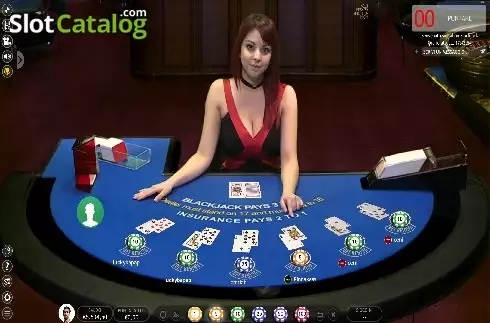
Pragmatic Play Live chooses a warmer, more resonant profile, with chip sounds that have a deeper tone. Playtech’s tables often incorporate a more pronounced crowd murmur, which I feel creates a busier, more energetic atmosphere. Each signature caters to different tastes.
I’d suggest UK players try tables from a few providers to see which sound design works. Some enjoy the clinical clarity of a quiet studio; others lean toward the buzz of a simulated casino floor. It’s a personal preference, and the audio signature is a big part of what creates a table appear like home.
Frequent Audio Issues and My Solutions
Even premium live streams can hit the random audio glitch. I’ve had instances where the dealer’s mic cuts out, leaving just background music. When that happens, I rely on the on-screen text prompts and the visual dealing to keep up with the game, but I always report the issue through live chat.
Audio-video sync problems are yet another headache. If the sound of a card comes a split second after the visual, immersion shatters. I’ve found that reloading the stream or switching to a lower-latency connection usually solves it. Using a wired connection instead of Wi-Fi can head off many of these sync issues.
Here’s my fast checklist for resolving live blackjack audio:
- Look at the mute button on the game interface—it’s separate from your device volume and simple to miss.
- Shut other browser tabs that might be playing media; they can take over the audio output.
- Swap from speakers to headphones to check if the problem is with your output device.
- If the dealer’s voice sounds distorted, drop the game volume to 80% to reduce digital clipping.
Most audio hiccups are short-lived and repairable without leaving the table. A bit of patience and a methodical approach keep the session flowing, preserving the immersive soundscape that makes live blackjack so captivating.